ABOUT
People ignore passive marketing quickly. But when they can click, answer, choose, play, vote, explore, or personalise the experience, attention lasts longer.
The real question is not: are people seeing your campaigns?
It is: are they interacting with them?
Interactive marketing turns passive users into active participants.
Instead of only showing people a message, it gives them something to do with it. That could be an AR-led campaign, quiz, poll, survey, calculator, personalised landing page, interactive microsite, gamified experience, or dynamic content journey.
The goal is not interaction for novelty. The goal is better attention, better user experience, and better business outcomes.
AR-led campaigns help users explore products, spaces, stories, and brand moments in a more memorable way, especially when visual experience matters.
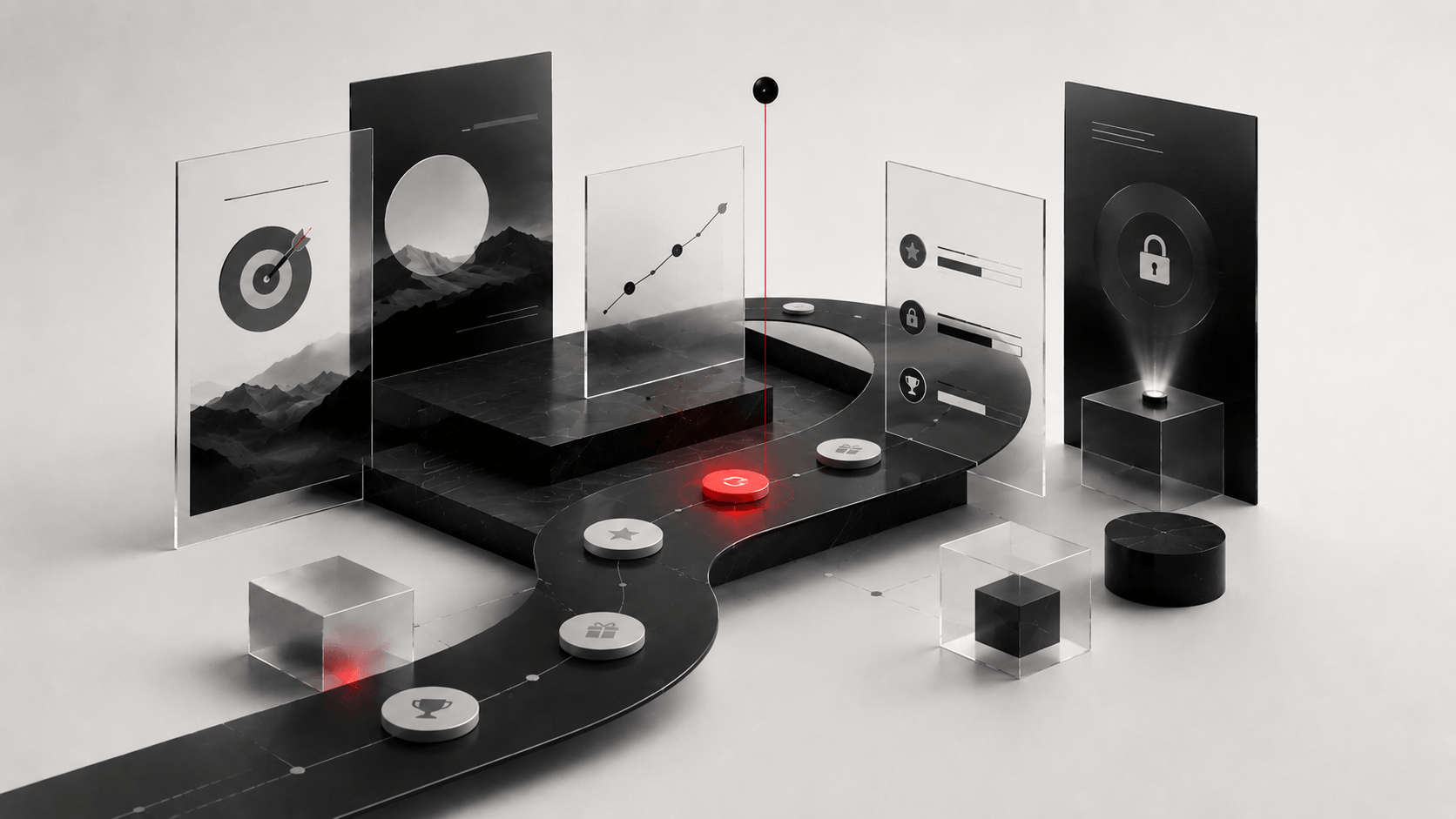
Reward-based interactions, challenges, points, progress bars, unlocks, and campaign mechanics can encourage users to engage without making the idea feel gimmicky.
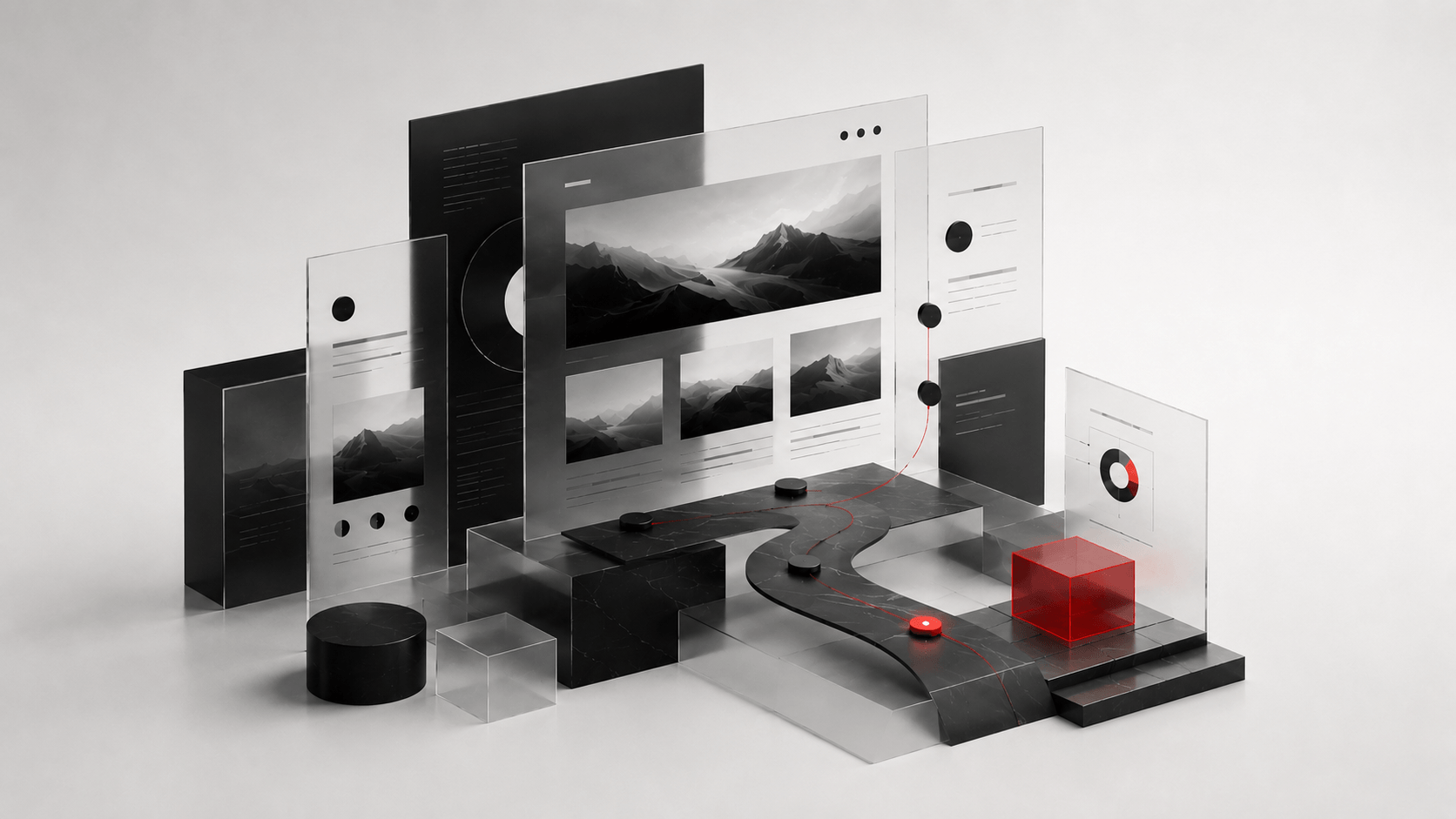
Microsites can turn a campaign into a focused experience with guided content, interactive sections, personalised paths, and cleaner conversion routes.
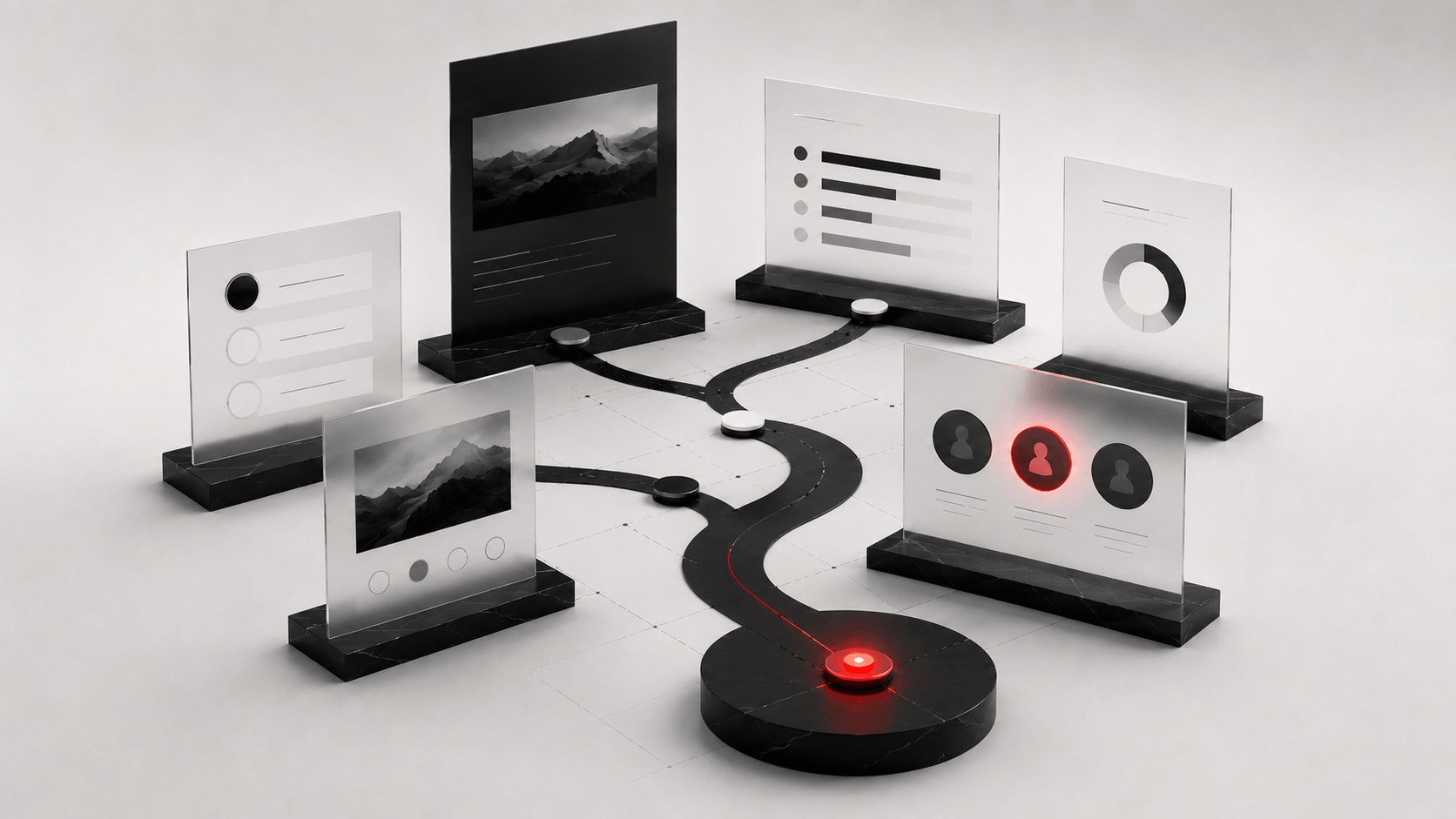
Quizzes, polls, assessments, and guided questions can educate audiences, qualify leads, reveal preferences, and create stronger campaign participation.
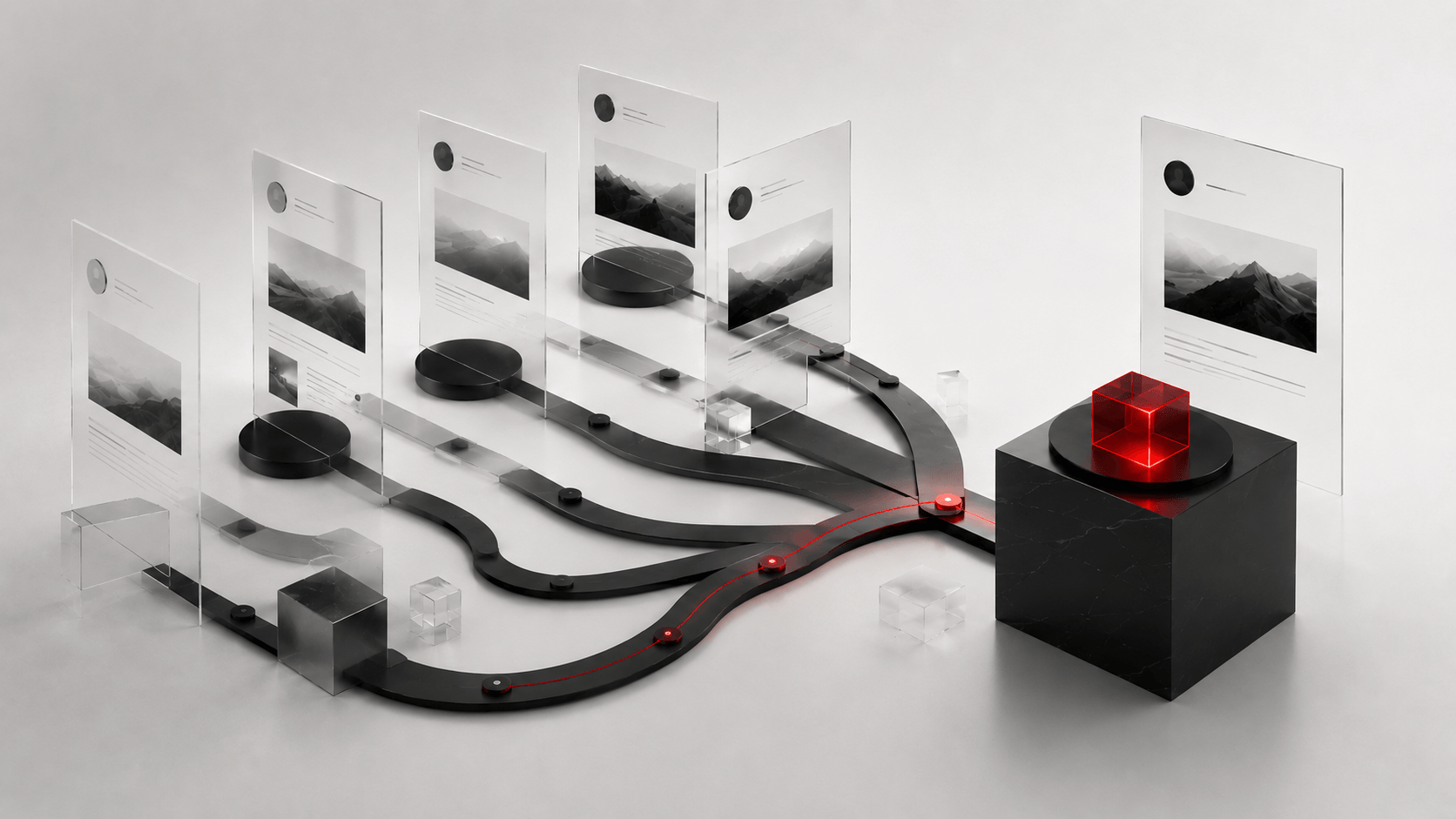
Personalised journeys use audience signals, behaviour, choices, or data to show more relevant content, offers, prompts, and next steps.
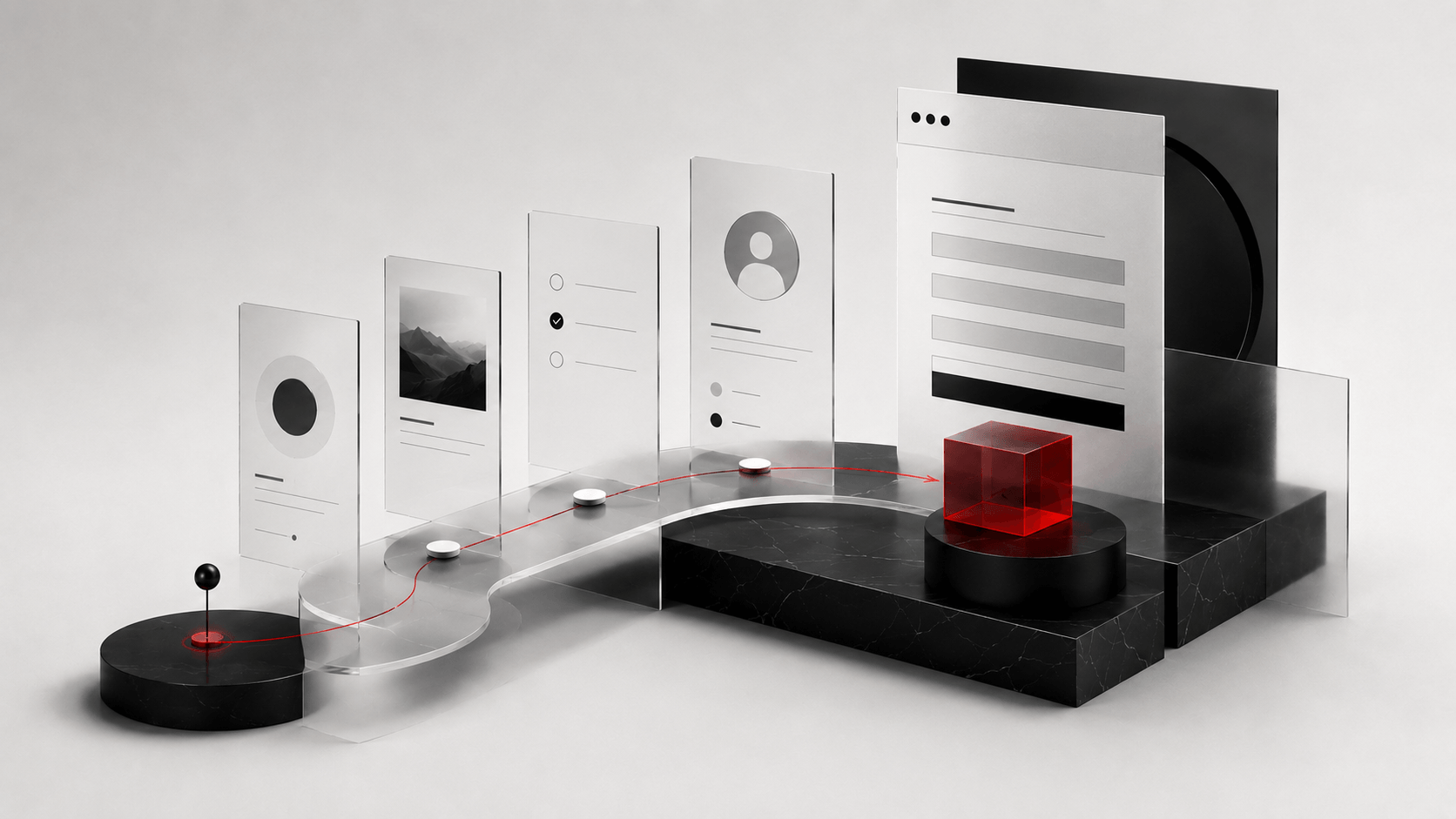
Interactive lead capture turns forms into a more useful exchange by asking the right questions at the right time in the journey.
Give users something meaningful to do, not just something to view.
Create experiences people are more likely to remember and talk about.
Learn what users care about through their actions and choices.
Use interaction to keep attention active for longer.
Build experiences that feel more shareable, playful, useful, or memorable.
Not every campaign needs a quiz. Not every page needs animation. Interactive marketing works when the experience supports the user and the business goal.
What We Look At
Understand the campaign goal, audience, offer, platform, and engagement gap.
Decide what users should do, why they would care, and what the brand should learn.
Shape the interaction, journey, visual flow, copy, and conversion points.
Develop the interactive experience, landing flow, microsite, quiz, or campaign mechanic.
Track participation, drop-offs, completions, leads, and signals to improve the experience.
Users in different regions respond to different formats, messages, offers, and levels of interaction. RHAD creates interactive marketing strategies based on market behaviour, audience expectations, and conversion goals in each region.
Maybe the campaign is too passive.
Maybe the landing page feels flat.
Maybe users are leaving without giving a signal.
Maybe the experience is not personal enough.
Maybe the brand is asking for action before earning attention.
Better to make the journey more useful.
Old digital marketing was simple.
Show an ad.
Send users to a page.
Ask them to convert.
Wonder why they left.
Modern engagement marketing needs participation, personalisation, useful interaction, and clear conversion paths.
Because people do not want to be pushed through a funnel. They want the next step to make sense.
Interactive marketing encourages users to actively participate instead of only viewing content. It can include quizzes, polls, surveys, calculators, personalized journeys, gamified campaigns, AR experiences, and interactive landing pages.
It gives users something to do. When people click, choose, answer, vote, or explore, they are more involved in the experience
Yes. Interactive experiences can guide users toward the right product, service, answer, or next step while reducing friction.
RHAD can create quizzes, polls, surveys, assessments, calculators, guided forms, product selectors, gamified experiences, AR-led campaigns, and personalised campaign journeys.
Yes. Interactive campaigns can collect useful user information, qualify leads, understand preferences, and create a better reason for users to share their details.
Not every campaign needs it, but brands that need stronger participation, better lead signals, or more memorable campaign journeys can benefit from interactive experiences.
No pointless gimmicks. No interaction for decoration. No confusing user journeys.
Just useful experiences that help people engage, choose, and move closer to action.